Tips for camping in national parks made easy with expert advice, smart packing, and safety tips for an unforgettable outdoor adventure.
Camping in national parks is one of the best ways to connect with nature. Plan ahead, pack smart, respect wildlife, and follow park rules to stay safe. Choose the right campsite, prepare for weather changes, and bring essentials to enjoy a stress-free and memorable outdoor experience.
Tips For Camping In National Parks 🏕️
Ever wondered why some camping trips feel magical while others turn into stressful disasters? The difference often comes down to preparation and knowing what to expect.
Camping in national parks can be an unforgettable experience. You get fresh air, stunning views, and a break from everyday life. But without the right approach, it can also feel overwhelming. These practical tips will help you camp confidently, stay safe, and truly enjoy the outdoors.
Understand The Rules Of Each Park 📜
Every national park has its own rules. These rules protect wildlife, visitors, and the environment. Before your trip, visit the official park website and read all guidelines carefully.
Some parks require permits for camping. Others limit where you can set up your tent. Following these rules ensures you avoid fines and stay safe. It also helps preserve nature for future visitors.
Choose The Right Campsite 🌄
Picking the right campsite can make or break your trip. Some sites offer basic amenities, while others are completely remote.
Consider your experience level before choosing. Beginners should pick developed campgrounds with restrooms and water. More experienced campers can explore backcountry sites for a deeper adventure.
Make Reservations Early 📅
Popular national parks fill up fast. Campsites can be booked months in advance, especially during peak seasons.
Plan ahead and secure your spot early. This reduces stress and ensures you get the location you want. Last-minute trips often lead to limited options.
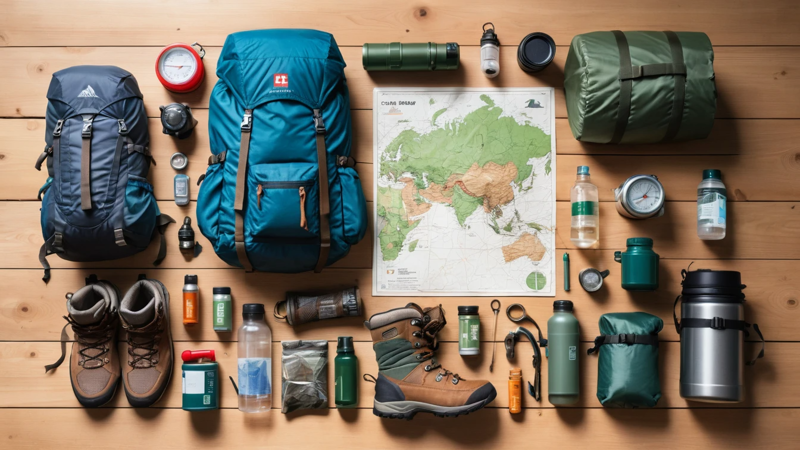
Pack Smart And Light 🎒
Overpacking can slow you down. Underpacking can leave you unprepared. The goal is balance.
Focus on essentials. Bring only what you truly need. Use lightweight gear to make travel easier, especially if hiking is involved.
Must-have items include:
- Tent and sleeping bag
- Food and water
- First aid kit
- Flashlight or headlamp
- Weather-appropriate clothing
Check Weather Conditions 🌦️
Weather in national parks can change quickly. A sunny morning can turn into a stormy afternoon.
Always check forecasts before leaving. Pack layers so you can adjust easily. Staying prepared helps you stay comfortable and safe.
Plan Your Meals Ahead 🍳
Food planning is key for a smooth trip. You don’t want to run out of supplies in the middle of nowhere.
Prepare simple meals that are easy to cook. Pre-pack ingredients to save time. Avoid bringing foods that spoil quickly.
| Meal Type | Easy Options | Prep Tips |
| Breakfast | Oatmeal, granola | Pre-portion servings |
| Lunch | Sandwiches, wraps | Use sealed containers |
| Dinner | Pasta, canned meals | Cook on portable stove |
Store Food Safely 🐻
Wildlife is attracted to food. Improper storage can lead to dangerous encounters.
Use bear-proof containers where required. Never leave food unattended. Store everything securely, including trash and scented items.
Bring The Right Gear ⚙️
Quality gear makes camping more enjoyable. Cheap or faulty equipment can ruin your experience.
Invest in durable items. Test your gear before your trip. Knowing how everything works saves time and stress.
Practice Leave No Trace Principles 🌱
Protecting nature is everyone’s responsibility. Leave No Trace means minimizing your impact.
Clean up after yourself. Avoid damaging plants or disturbing wildlife. Respect the environment so others can enjoy it too.
Stay Safe Around Wildlife 🦌
Seeing wildlife is exciting, but safety comes first. Animals in national parks are not used to human interaction.
Keep a safe distance at all times. Never feed animals. Feeding them can make them aggressive and dependent on humans.
Know Basic Navigation Skills 🧭
Getting lost is easier than you think. Cell service is often unreliable in national parks.
Bring a map and compass. Learn how to use them before your trip. GPS devices are helpful but should not be your only tool.
Prepare For Emergencies 🚨
Unexpected situations can happen. Being prepared can save your life.
Carry a first aid kit and emergency supplies. Inform someone about your trip plans. This way, help can reach you if needed.
| Emergency Item | Purpose | Why It Matters |
| First Aid Kit | Treat injuries | Prevents complications |
| Whistle | Signal for help | Works without battery |
| Extra Food | Backup supply | Helps in delays |
Dress In Layers For Comfort 🧥
Temperatures can drop quickly at night. Even summer nights in parks can be cold.
Wear layers you can add or remove. This helps regulate body temperature. Staying comfortable makes your trip more enjoyable.
Respect Quiet Hours 🤫
Many campgrounds have quiet hours. These rules help everyone enjoy their experience.
Keep noise levels low at night. Respect fellow campers. A peaceful environment benefits everyone.
Stay Hydrated 💧
Dehydration is a common issue during outdoor trips. Hiking and outdoor activities increase your water needs.
Carry enough water for your entire trip. Use water filters if needed. Staying hydrated keeps your energy levels up.
Plan Activities In Advance 🥾
National parks offer many activities. Without planning, you may miss out on the best experiences.
Research trails, viewpoints, and attractions. Create a flexible schedule. This ensures you make the most of your trip.
Manage Campfires Responsibly 🔥
Campfires are enjoyable but can be dangerous. Many parks have strict fire rules.
Only build fires in designated areas. Always fully extinguish them before leaving. Safety should always come first.
Keep Your Campsite Organized 🧹
A messy campsite can attract animals and cause confusion. Staying organized saves time and effort.
Store items properly and keep essentials within reach. This helps you stay efficient and stress-free.
| Area | Organization Tip | Benefit |
| Sleeping Area | Keep gear minimal | Better comfort |
| Cooking Area | Separate food items | Easy access |
| Storage Area | Use containers | Prevents loss |
Travel With A Buddy When Possible 👥
Camping alone can be peaceful, but it also carries risks. Having a companion adds safety.
If you go solo, take extra precautions. Share your itinerary with someone. Being prepared reduces risks significantly.
Conclusion 🌟
Camping in national parks is an incredible way to experience nature. With the right preparation, it becomes safe, enjoyable, and unforgettable. Focus on planning, packing wisely, and respecting the environment. Small steps can make a big difference in your overall experience.
FAQs ❓
- What are beginner tips for camping in national parks?
Start with a developed campsite. Pack essentials only and plan meals ahead. Learn basic safety rules before your trip. - How do I stay safe while camping in parks?
Keep distance from wildlife and store food properly. Carry emergency supplies and inform someone of your plans. Always follow park guidelines. - What should I pack for national park camping?
Bring a tent, sleeping bag, food, water, and first aid kit. Add weather-appropriate clothing and navigation tools. Pack light but smart. - Can you camp anywhere in national parks?
No, camping is allowed only in designated areas. Some parks require permits for backcountry camping. Always check park rules beforehand. - How do I prepare for weather changes while camping?
Check forecasts before your trip. Pack layered clothing for flexibility. Always be ready for sudden temperature drops or rain.