Planning a wildlife tour in Sumatra? Learn the best time to visit Gunung Leuser National Park, orangutan activity by season, and explore a full 3D2N Sumatra trekking itinerary.
The best time for a wildlife tour in Sumatra—especially for seeing orangutans—is June to September. These months offer the driest trails in Gunung Leuser National Park, ideal conditions for Bukit Lawang jungle trekking, and the highest orangutan activity along common routes.
Wildlife Trekking In Sumatra: What Is The Best Time To Visit?
Have you ever wondered when the rainforest feels most alive, or when your chances of spotting orangutans are highest? 🌿 Many travellers worry about choosing the wrong season, especially in a destination known for its unpredictable tropical weather.
There are many different itineraries for wildlife trekking in Sumatra all year-round, but the best time to visit depends on your comfort level, weather tolerance, and trekking goals. The rainforest changes with each season, and understanding these patterns helps you plan a safe and meaningful jungle trip.
Below, you’ll find everything you need to choose your perfect travel window — including weather comparisons, wildlife behaviour, packing advice, and a complete Sumatra orangutan trekking itinerary.
Understanding Sumatra’s Tropical Climate 🌦️
Sumatra sits near the equator, which means it experiences high humidity, warm temperatures, and sudden rain showers. The climate stays fairly consistent throughout the year, but rainfall patterns shift dramatically between dry and wet seasons.
The rainforest grows dense and vibrant because of this steady moisture. You’ll feel the humidity as soon as you arrive, and it becomes part of the adventure. Even in the driest months, short afternoon rains can happen, so staying flexible is essential.
Despite the moisture, the temperature rarely feels extreme. Most days stay between 75°F and 85°F. This makes trekking comfortable for most people as long as they stay hydrated and take breaks when needed.
Dry Season vs. Rainy Season: What You Should Expect ☀️🌧️
The island experiences two broad weather periods: the dry season and the rainy season. Each offers unique conditions that affect visibility, wildlife activity, and overall trekking comfort.
During the dry season, trails become easier to walk. Mud levels drop, and river levels lower. This reduces challenging crossings that sometimes concern first-time trekkers. Wildlife is also more predictable because animals spend more time searching for food and water.
In the rainy season, the forest feels alive and fresh. The leaves glow bright green after heavy rainfall. Fewer tourists visit during this time, making the jungle quieter and more peaceful. However, trails may become slippery, and rainfall can extend into the afternoon.
Best Time to Visit for Wildlife Trekking in Sumatra 🦧
Most travellers consider June to September the best time for wildlife trekking in Sumatra. These months offer ideal trail conditions and higher chances of spotting orangutans, monkeys, hornbills, and gibbons.
Wildlife tends to stay more visible during this time. Many primates forage near the forest edges, and you may even hear gibbons before sunrise. The reduced rainfall also allows guides to take you deeper into the rainforest without safety concerns.
That said, some travellers enjoy visiting in the shoulder months, such as April, May, and October, when the forest feels lush but trails remain manageable. These months also come with fewer crowds, which can make encounters more intimate.
Temperature And Rainfall Guide Across the Year 🌡️
Because the rainforest doesn’t experience dramatic temperature swings, the main difference between months is rainfall.
Below is a practical climate comparison to help you choose:
Weather Comparison
| Months | Rainfall Level | Trekking Conditions | Wildlife Activity |
| June–September | Low | Best for trekking | Very high |
| April–May | Moderate | Good trails | High |
| October–November | Moderate-high | Slippery trails | Good |
| December–March | High | Challenging | Moderate-high |
When Orangutans Are Most Active in Sumatra 🐒
Orangutans do not have a strict seasonal pattern, but you’ll notice certain months offer better viewing opportunities. During drier months, food becomes slightly harder to find, so orangutans travel more and remain visible longer.
In the wet season, fruit availability increases deeper in the forest. This can reduce sightings near common trekking paths. However, this doesn’t mean you won’t see them — guides familiar with local patterns will still lead you to promising areas.
Morning treks usually offer the highest activity. Orangutans begin foraging shortly after sunrise, and hearing branches rustle as one swings overhead is unforgettable.
Benefits Of Trekking During Dry Season ☀️
Many first-time trekkers prefer the dry season because of its predictable conditions. Trails dry faster, and river crossings become easier. This boosts comfort levels, especially for families or beginners.
During this time, the sun filters beautifully through the tall trees, creating golden highlights throughout the rainforest. You’ll often experience clearer views from higher ridges. The lower humidity also makes hiking less exhausting.
Another bonus is the increased availability of tours. Because more visitors arrive, you’ll find plenty of group options and opportunities to meet fellow adventurers.
Benefits Of Trekking During Rainy Season 🌧️
Although the rainy season challenges trekkers, it also brings unique rewards. The forest becomes much quieter, and fewer groups roam the trails. This makes wildlife encounters feel personal and deeply immersive.
The vegetation becomes rich and bright. Raindrops cling to leaves and vines, reflecting the light in ways that feel almost magical. You may also see more amphibians, colourful insects, and unique plants during this time.
If you enjoy solitude, photography, and raw nature, the rainy season might actually be your best choice. Just be prepared for slippery trails and occasional long showers.
How Weather Impacts Trekking Difficulty 🚶♂️
Weather plays a huge role in trail difficulty. In the dry months, paths remain firm, and steep climbs feel more manageable. Most people with basic fitness can complete treks without issues.
But during wet season, the terrain becomes more demanding. Mud collects in low areas, and river crossings rise. Guides will adjust the route depending on safety, but you may still face slippery slopes and slower progress.
That’s why choosing the right footwear matters. Shoes with strong grip make a noticeable difference in how confident you feel during climbs.
Wildlife Behaviour Across Seasons 🐾
Different animals behave differently based on the season. Primates, including orangutans and macaques, tend to move more during dry months to search for water and fruit. This increases your chance of spotting them.
Bird activity also shifts. Hornbills and peacocks often appear near open forest patches when the weather stays dry. Gibbons sing loudly during sunrise throughout the year, but their calls may carry farther on cooler mornings.
During the rainy season, you may notice more insect life and vibrant plant species. Frogs and butterflies become abundant near moist areas. This variety adds charm to your jungle walks, even if sightings require extra patience.
Packing Tips Based on The Season 🎒
Packing correctly helps you enjoy the trek regardless of weather. In the dry season, breathable clothing works best. Quick-dry shirts and shorts feel comfortable throughout long hikes.
During rainy months, pack a lightweight rain jacket and extra socks. Waterproof bags protect phones and cameras. Bringing a towel also helps after muddy river crossings.
Regardless of season, essential items include:
- Sunscreen
- Mosquito repellent
- Flashlight
- Drinking water
- Reusable bottle
- Snacks
Being prepared allows you to enjoy every moment without stress.
Where To Stay During Your Wildlife Trekking Adventure 🏡
Sumatra offers many comfortable places to stay before and after your trek. Most visitors choose small guesthouses or eco-lodges near Bukit Lawang. These places sit along the river and offer relaxing jungle views.
Rooms may be simple, but they provide everything you need. You’ll hear the river at night, which feels calming after a long trek. Many lodges also serve local meals and assist with arranging tours.
If you plan a longer journey, you may visit places like Berastagi or Lake Toba. Each area has unique landscapes and accommodations suited for different budgets.
Safety Tips Based on Seasonal Conditions 🔐
Staying safe in the rainforest is easier when you understand seasonal challenges. In dry months, dehydration becomes your main concern. Drink plenty of water and rest often under shade.
During rainy months, slippery paths become the priority. Keep your hands free while walking so you can balance. Step carefully on mossy roots, and listen closely to your guide’s instructions.
Wildlife respect is always important. Maintain distance from orangutans and avoid sudden movements. Ethical tours teach you how to observe without disturbing the animals.
Itinerary For Sumatra Orangutan Tour ⭐
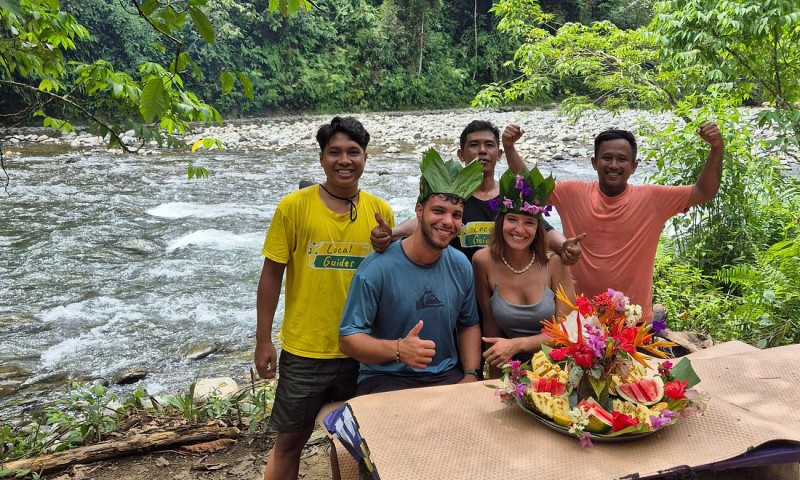
Below is a popular 3D2N Sumatra Orangutan trekking program for travellers seeking a complete jungle experience.
Day 1 – Enter The Jungle
- Start after breakfast
- Trek 6–7 hours through dense forest
- Spot orangutans, monkeys, and hornbills
- Learn about medicinal plants
- Arrive at jungle camp
- Swim in the river and enjoy dinner
Day 2 – Explore Deeper Forest
- Wake to gibbons calling 🌄
- Continue trekking for 5–6 hours
- Learn jungle survival skills
- Eat lunch in the forest
- Stay overnight at a riverside camp
Day 3 – River Tubing & Return
- Morning walk for last wildlife sightings
- Enjoy breakfast near the river
- Tube raft down the jungle stream
- Return to Bukit Lawang by early afternoon
Orangutan Tour Overview
| Day | Activities | Key Highlights |
| 1 | Trekking, wildlife spotting | Orangutans, jungle camp |
| 2 | Deep jungle trekking | Jungle foods, waterfalls |
| 3 | Morning trek, tubing | River adventure |
Costs And Budget Planning for Different Seasons 💰
Seasonal prices sometimes shift due to demand. Dry season sees higher bookings, which may increase accommodation costs. Rainy season usually offers more flexible pricing.
Most tours include:
- Guide
- Permits
- Meals
- Jungle camp
- Safety equipment
Budget travellers often visit during shoulder months when prices balance comfort and affordability.
Conclusion
Wildlife trekking in Sumatra is a year-round adventure filled with unforgettable encounters and stunning rainforest scenery. The best time to visit depends on your comfort and expectations. Dry season offers easier trails and high visibility, while rainy months bring lush landscapes and peaceful experiences. With the right guide, preparation, and itinerary, your orangutan tour will become one of your most memorable journeys.
FAQs: Wildlife Tour in Sumatra
What months are best for trekking?
June to September are the best months. Trails stay dry and wildlife is very active. These months offer the most comfortable trekking conditions.
Is it safe to trek during rainy season?
Yes, it is safe with expert guides. Trails may be slippery, but guides adjust routes. Rainy months also offer lush scenery and fewer crowds.
When are orangutans easiest to see?
Dry season offers more reliable sightings. Orangutans travel more to search for food. Morning treks increase your chances even further.
How long should my Sumatra trek be?
A 2D1N or 3D2N trek is ideal. Multi-day treks offer deeper forest access. Shorter treks work for beginners or tight schedules.
What should I wear for the jungle?
Wear breathable, quick-dry clothing. Bring a rain jacket during wet months. Good shoes with strong grip are essential.