
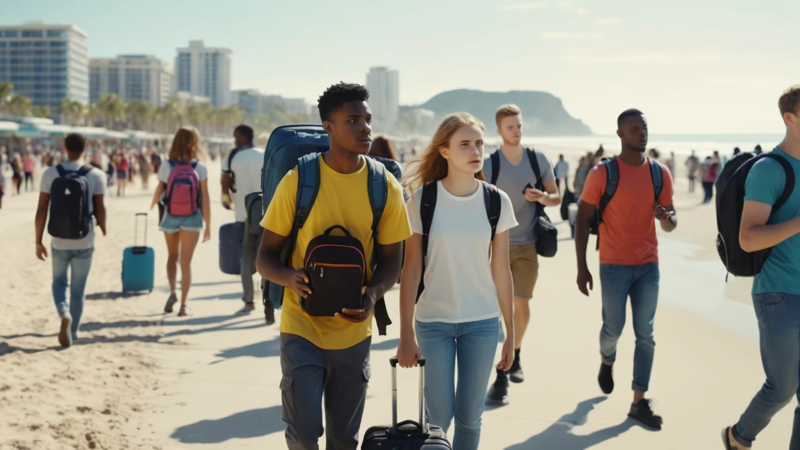
FBI travel warnings spring break alert travelers to risks like crime and scams. Learn where to be careful and how to stay safe this spring.
FBI travel warnings for spring break highlight increased risks like crime, scams, and safety threats in popular destinations. Travelers should stay alert, follow local laws, protect personal data, and plan smart to reduce risks while enjoying a safe, stress-free vacation.
Planning a spring break trip and wondering if those FBI travel warnings really matter?
They do. And ignoring them can turn a dream vacation into a stressful mess.
The FBI travel warnings for spring break exist to keep travelers informed about real-world risks. These alerts focus on crime, cyber threats, violence, and scams targeting tourists. The goal is simple—help you stay safe while still enjoying your trip 😊.
Below, you’ll find a clear breakdown of what the warnings mean, where risks are higher, and how to travel smarter this spring.
FBI Travel Warnings Spring Break: What You Need To Know 🌍
What FBI Travel Warnings Mean For Spring Breakers 🚨
FBI travel warnings are official safety advisories issued to protect U.S. travelers. They highlight threats that spike during peak travel seasons like spring break. These warnings do not mean “don’t travel,” but they do mean “travel smart.”
Spring break attracts crowds, which also attracts criminals. Pickpocketing, fraud, and digital theft increase during this time. The FBI uses real data to warn travelers before problems happen.
Understanding these warnings helps you make better choices. Awareness alone reduces risk more than most people realize.
Why Spring Break Travel Carries Higher Risks ⚠️
Spring break creates the perfect storm for crime. Large crowds, alcohol use, and unfamiliar places lower people’s guard. Criminals know this and take advantage.
Tourists often carry valuables and rely on public Wi-Fi. That makes them easy targets for theft and hacking. Popular nightlife areas see higher rates of assault and robbery.
The FBI warnings focus on prevention, not fear. Knowing why risks rise helps you avoid common mistakes.
Common Threats Highlighted By FBI Travel Alerts 🔍
The FBI consistently warns about repeat issues during spring break. These threats show up every year across destinations.
- Pickpocketing in crowded tourist zones
- Credit card and ATM skimming
- Fake ride-share drivers and taxi scams
- Phone theft at beaches and clubs
- Identity theft through public Wi-Fi
Staying alert reduces your chances of becoming a victim. Most incidents happen when people are distracted or intoxicated.
Domestic Vs International Spring Break Warnings 🗺️
FBI warnings apply both inside and outside the U.S. Domestic trips often involve theft, shootings, or large-event risks. International trips add language barriers and legal differences.
Outside the U.S., penalties for small mistakes can be severe. Laws around drugs, alcohol, and public behavior vary widely. Some countries also have limited emergency response access.
Before leaving, research local laws and customs. That small step can prevent major trouble later.
Popular Destinations Under Extra FBI Scrutiny 🏖️
Certain spring break hotspots appear in warnings more often. This doesn’t mean they’re unsafe, but caution is critical.
| Destination Type | Common Risks | Safety Tip |
| Beach Cities | Theft, assaults | Avoid isolated areas at night |
| Party Districts | Drink spiking | Watch drinks closely |
| Border Regions | Scams, violence | Stick to known zones |
These areas draw massive crowds. Crowds reduce personal space and increase crime opportunities.
Crime Trends Affecting Spring Break Travelers 📊
Crime trends during spring break are predictable. Theft spikes first, followed by scams and assaults. Digital crime also increases sharply.
Phones are the most stolen item. Once stolen, they can expose banking apps and personal data. That’s why device security matters.
Criminals move fast and blend into crowds. Staying alert and moving in groups helps reduce risk.
FBI Warnings On Scams And Financial Fraud 💳
Spring breakers are prime targets for financial scams. Fake tours, ticket scams, and ATM skimmers are common. Fraudsters rely on urgency and confusion.
Never trust deals pushed on the street. Use official apps and verified vendors only. Monitor bank alerts daily while traveling.
| Scam Type | How It Works | How To Avoid |
| ATM Skimming | Card data copied | Use bank ATMs |
| Fake Rentals | Deposits stolen | Book trusted sites |
| Bar Overcharges | Inflated bills | Check prices first |
A few minutes of caution can save thousands of dollars.
Digital Safety Risks The FBI Warns About 🔐
Public Wi-Fi is one of the biggest dangers. Hackers easily intercept unsecured connections. Once in, they steal passwords and banking data.
Avoid logging into sensitive accounts on public networks. Use mobile data or a secure hotspot instead. Enable two-factor authentication everywhere.
Digital safety is just as important as physical safety today. One careless login can cause months of damage.
Personal Safety Tips From FBI Experts 🧍♂️
The FBI emphasizes simple habits that reduce risk. These habits work no matter where you travel.
- Stay aware of surroundings
- Limit alcohol intake
- Keep valuables hidden
- Travel in groups when possible
Confidence matters. Walk like you know where you’re going, even if you don’t. That alone deters many criminals.
Alcohol, Parties, And Risk Awareness 🍹
Alcohol lowers awareness, and criminals know it. Many spring break incidents involve intoxication. Drink spiking is a real concern.
Never leave drinks unattended. Accept drinks only from servers, not strangers. Look out for friends and leave together.
Fun doesn’t have to mean reckless. Smart choices keep good memories intact.
Transportation Warnings During Spring Break 🚕
Transportation scams rise sharply during spring break. Fake ride-shares and unlicensed taxis overcharge or worse. Some drivers intentionally take unsafe routes.
Use official apps and confirm vehicle details before entering. Sit in the back seat and share trip status with someone you trust.
Safe transportation reduces risk more than most travelers realize.
Hotel And Rental Safety Concerns 🏨
Not all accommodations are equal. Budget stays sometimes lack security features. Break-ins and thefts happen most often in unsecured rooms.
Use door locks and safes. Don’t leave valuables visible. Choose accommodations with good reviews and lighting.
| Accommodation Type | Risk Level | Best Practice |
| Hostels | Medium | Lock bags |
| Hotels | Low | Use safe |
| Rentals | Medium | Verify host |
Your room should feel like a safe zone, not a gamble.
What To Do If You Encounter Trouble 🚑
If something feels wrong, trust your instincts. Leave the area and seek help immediately. Contact local authorities first if needed.
For serious incidents, reach out to the nearest U.S. embassy or consulate. Keep emergency numbers saved offline.
Preparation makes emergencies easier to manage. Panic makes them worse.
How To Prepare Before You Travel 📋
Preparation is your best defense. The FBI strongly encourages travelers to plan ahead.
- Share itineraries with family
- Register travel details online
- Scan important documents
- Set bank travel alerts
These steps take less than an hour. They can save days of stress later.
Parents And Students: Special Safety Advice 🎓
Students often travel in groups, which helps. Parents should encourage communication and planning. Emergency plans reduce panic.
Students should know local emergency numbers. Parents should avoid micromanaging but stay informed.
Trust, preparation, and communication keep everyone calmer.
Final Thoughts On FBI Travel Warnings Spring Break ✅
FBI travel warnings for spring break aren’t meant to scare you. They’re designed to protect you. Most trips go smoothly when travelers stay aware and prepared.
Know the risks, plan ahead, and trust your instincts. Smart travel leads to safer, happier memories 😊.
FAQs
Are FBI spring break travel warnings serious?
Yes, they are based on real crime and safety data. They help travelers avoid common risks. Ignoring them increases your chances of trouble.
Do FBI warnings mean I shouldn’t travel?
No, they encourage smart travel, not cancellation. Most trips are safe with preparation. Awareness is the key benefit.
Which spring break destinations are riskiest?
Crowded party destinations carry higher risks. Crime rises where crowds and alcohol mix. Staying alert reduces danger.
How can students stay safe during spring break?
Travel in groups and limit alcohol. Secure phones and wallets. Share locations with trusted contacts.
Do FBI warnings cover digital safety too?
Yes, cybercrime is a major focus. Public Wi-Fi and phone theft are common threats. Secure devices before traveling.


