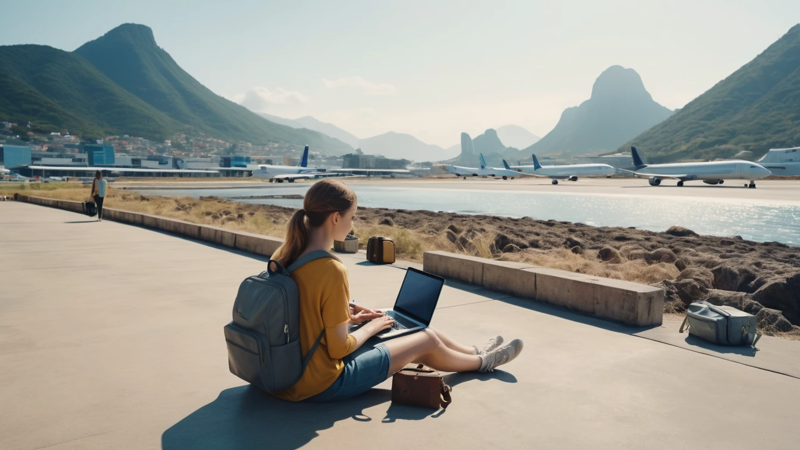
How to plan a backpacking trip step-by-step with smart tips, budget ideas, and packing hacks for a stress-free adventure.
Planning a backpacking trip means choosing a destination, setting a budget, packing smart, and preparing for safety. With the right plan, you can travel light, save money, and enjoy more freedom. This guide walks you through every step in a simple, stress-free way.
How To Plan A Backpacking Trip 🎒
Ever wondered why some backpackers travel for months without stress, while others struggle after just a few days?
The truth is simple. A great backpacking trip is not about luck. It’s about planning smart and keeping things flexible. Once you know how to do it, the whole process feels exciting instead of overwhelming.
Let’s break it down step by step so you can plan your trip like a pro. ✨
Understand Your Travel Goals 🎯
Before you book anything, ask yourself one thing: why do you want to backpack?
Some people travel for adventure. Others want peace, culture, or food. Your goal will shape your entire trip. Without clarity, you may feel lost later.
Think about what excites you the most. Mountains? Beaches? Cities? Wildlife? Your answer helps you choose the right destination and activities.
Write down your top goals. For example:
- Explore nature 🌿
- Meet new people 🤝
- Save money 💸
- Try local food 🍜
This simple step makes your planning much easier.
Choose The Right Destination 🌍
Picking a destination is fun but also important. You need a place that matches your goals and budget.
Start by researching a few options. Look at weather, safety, and travel costs. Some countries are cheaper for backpackers, while others can be expensive.
If you are new, choose beginner-friendly places. These usually have good transport and affordable stays.
Here’s a quick comparison:
| Destination Type | Best For | Cost Level |
| Southeast Asia | Budget travelers | Low |
| Europe | Culture lovers | Medium |
| South America | Adventure seekers | Medium |
| Australia | Nature & road trips | High |
Choose wisely, but don’t overthink it. Every place has something special.
Set A Realistic Budget 💰
Budgeting is where many trips fail. But don’t worry—it’s easier than you think.
Start with your total savings. Then divide it into categories like travel, food, stay, and activities.
Always add a buffer. Unexpected costs happen. It’s better to be prepared.
Typical daily budget breakdown:
- Accommodation: 30–40%
- Food: 20–30%
- Transport: 15–20%
- Activities: 10–15%
| Expense Type | Average Daily Cost |
| Hostel Stay | $10–$30 |
| Street Food | $5–$15 |
| Local Transport | $3–$10 |
| Activities | $5–$25 |
Tracking your spending keeps your trip stress-free.
Plan Your Travel Duration ⏳
How long should your trip be?
That depends on your budget and goals. Some people travel for weeks. Others go for months.
Don’t rush your trip. Slow travel is better. You enjoy more and spend less.
If you are starting out, try 7–14 days. It’s enough to learn and adjust. Then you can plan longer trips later.
Remember: quality matters more than quantity.
Create A Flexible Itinerary 🗺️
A plan is good. But too much planning can ruin your trip.
Create a rough itinerary. Decide the places you want to visit. But leave room for changes.
Why? Because unexpected things happen. You may love a place and want to stay longer.
Your itinerary should include:
- Key destinations
- Travel routes
- Must-see attractions
| Day | Activity |
| Day 1 | Arrival & rest |
| Day 2 | Explore city |
| Day 3 | Local tour |
| Day 4 | Travel to next place |
Keep it simple. Flexibility is your best friend.
Pack Smart And Light 🎒
Overpacking is a common mistake. You don’t need too many things.
Focus on essentials. Choose lightweight and multi-use items. Every extra item adds weight.
Basic packing list:
- Clothes (mix & match)
- Toiletries
- First aid kit
- Travel documents
- Power bank
💡 Tip: If your bag feels heavy, remove a few items.
Traveling light gives you more freedom.
Choose The Right Backpack 🎒
Your backpack is your best companion. Choose it carefully.
Look for comfort, durability, and size. A 40–60L backpack is ideal for most trips.
Check these features:
- Padded straps
- Multiple compartments
- Waterproof material
Try it before buying. It should feel comfortable even when full.
Book Accommodation Wisely 🏨
You don’t need luxury stays. Backpacking is about saving money.
Hostels are the best option. They are cheap and social. You can meet other travelers easily.
Other options include:
- Budget hotels
- Guesthouses
- Homestays
Book your first few nights in advance. After that, you can decide as you go.
Plan Transportation 🚍
Transportation can take a big part of your budget.
Use local transport whenever possible. It’s cheaper and gives a real travel experience.
Options include:
- Buses 🚌
- Trains 🚆
- Shared taxis 🚖
Compare prices before booking. Sometimes slower options save money.
Keep Important Documents Ready 📄
Don’t forget your documents. They are very important.
Keep both digital and physical copies. Store them safely.
Important documents include:
- Passport
- Visa
- Travel insurance
- ID proof
💡 Tip: Email copies to yourself for backup.
Stay Safe During Your Trip 🔒
Safety should always be your priority.
Research common scams in your destination. Stay alert in crowded places.
Basic safety tips:
- Avoid carrying too much cash
- Use secure bags
- Share your location with family
Trust your instincts. If something feels wrong, leave.
Manage Your Money Smartly 💳
Handling money wisely can save you a lot.
Use a mix of cash and cards. Don’t rely on just one method.
Keep your money in different places. This reduces risk.
💡 Pro Tip: Use budgeting apps to track expenses daily.
Eat Like A Local 🍜
Food is a big part of travel. And guess what? Local food is cheaper and tastier.
Avoid tourist restaurants. Try street food or small local shops.
Benefits of eating local:
- Saves money 💸
- Authentic taste 😋
- Cultural experience 🌏
Just make sure the place looks clean.
Connect With Other Travelers 🤝
Backpacking is more fun with people.
Stay in hostels or join local tours. You will meet travelers from around the world.
Benefits:
- Share tips
- Split costs
- Make friends
Sometimes, strangers become lifelong friends. 😊
Use Travel Apps And Tools 📱
Technology makes travel easier.
Use apps for booking, maps, and translation. They save time and effort.
Popular uses:
- Navigation 🗺️
- Budget tracking 💰
- Language help 🗣️
Download offline maps. They work without internet.
Prepare For Emergencies 🚨
Things don’t always go as planned.
Be ready for emergencies. It gives peace of mind.
Prepare by:
- Carrying a first aid kit
- Saving emergency contacts
- Knowing local emergency numbers
It’s better to be safe than sorry.
Travel Responsibly 🌱
Be a responsible traveler. Respect local culture and environment.
Simple actions matter:
- Don’t litter
- Respect traditions
- Support local businesses
Traveling responsibly makes a positive impact.
Conclusion 🌟
Planning a backpacking trip is not complicated. You just need the right steps.
Start with clear goals. Choose your destination wisely. Set a budget and pack smart. Keep your plans flexible and stay safe.
Remember, the best trips are not perfect. They are full of experiences, lessons, and memories.
So pack your bag, take that first step, and enjoy the journey. 🌍✨
FAQs
What Is The Best Way To Start Backpacking?
Start small with a short trip. Choose a safe and budget-friendly destination. Learn from your experience and improve next time.
How Much Money Do I Need For Backpacking?
It depends on your destination and travel style. Budget travelers can manage with $20–$50 per day. Always keep extra funds for emergencies.
What Should I Pack For My First Trip?
Pack light and carry essentials only. Include clothes, toiletries, documents, and a first aid kit. Avoid unnecessary items.
Is Backpacking Safe For Beginners?
Yes, if you plan well and stay alert. Choose safe destinations and follow basic safety tips. Trust your instincts.
How Do I Plan A Cheap Backpacking Trip?
Choose budget destinations and use hostels. Eat local food and use public transport. Track your spending daily.